

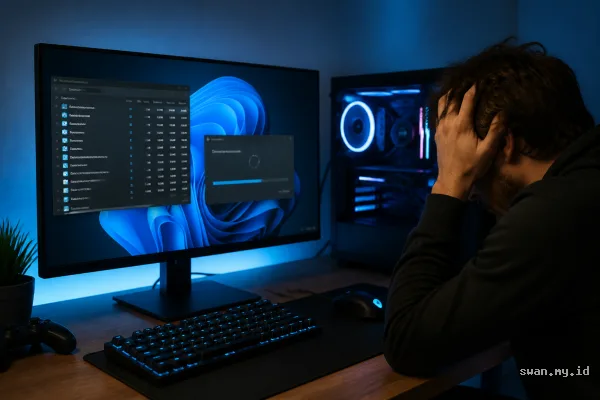
Swan.my.id - Jakarta, Windows problems for PC gamers are becoming increasingly difficult to ignore as the operating system adds more background features, bundled applications, automatic updates, and interface changes. Although Microsoft’s platform still dominates PC gaming through broad software support and technologies such as DirectX, daily use has become a source of frustration for some players.
Windows remains a familiar choice for gamers because it supports a wide range of games, launchers, drivers, and anti-cheat systems. However, that strength does not erase complaints about the operating system itself. Many users now feel that Windows no longer focuses as closely on efficiency, control, and gaming performance as it once did.
Some gamers have started looking at alternatives such as Linux. The interest does not necessarily come from one single failure. Instead, several smaller annoyances have accumulated over time and created the impression that Windows demands too much attention from the people who own and maintain their PCs.
AI Features Add More Background Activity
Microsoft’s growing push to place artificial intelligence across Windows has become one of the most visible sources of criticism. Features such as Copilot represent the company’s effort to make AI a regular part of the operating system experience.
For gamers who prefer a clean and efficient system, these additions can feel unnecessary. Background processes may consume memory and other hardware resources, even when users rarely interact with the related features. As a result, some players question why their gaming PCs must run extra services that do not directly improve their games.
The concern becomes stronger among users who carefully manage system resources. They want their hardware to prioritize games, recording tools, communication software, and other applications that support their activities. Additional services can therefore feel like an unwanted layer between the user and the computer.
Bloatware Makes Clean Installations Less Appealing
Windows installations also face criticism because they can include more applications, promotions, and services than users expect. After a clean installation, users may encounter bundled apps, casual game advertisements in the Start menu, and repeated promotions for cloud services.
This approach makes the operating system feel less focused from the first boot. Instead of immediately preparing the PC for work or gaming, users may need to remove unwanted applications and disable services they do not plan to use.
That cleanup takes time and can become especially frustrating for gamers who expect a newly installed operating system to feel responsive. The extra work may also create the impression that users must reclaim control of their own PCs before they can enjoy them properly.
Automatic Updates Can Disrupt Gaming Sessions
Automatic updates remain another major complaint. A Windows Update process can interrupt an important activity, including an online match, when the system downloads updates, affects network performance, or restarts at an inconvenient moment.
For competitive players, even a brief interruption can create serious frustration. Latency spikes and unexpected restarts can affect a match at precisely the wrong time. The problem becomes more serious when an update creates new compatibility or performance issues.
Recent update cycles have also drawn criticism for allegedly affecting graphics driver optimization. When frame rates suddenly fall after a system change, gamers may struggle to determine whether the game, driver, or operating system caused the problem.
Privacy and System Control Remain Concerns
Windows also faces criticism over telemetry and the amount of control users have over system settings. Options that once appeared clearly in Control Panel have increasingly moved behind newer interfaces, which can make basic configuration more confusing.
At the same time, some users remain uncomfortable with telemetry features that send information about usage habits to central servers. They want clearer control over what the system collects and how they can disable those functions permanently.
Privacy concerns matter even more to people who build their own PCs. They expect ownership of the hardware to come with meaningful control over the software environment. When Windows limits that control, alternative operating systems can appear more attractive.
A Heavier Interface Adds to Daily Friction
Windows’ modern interface has also become a frequent target of complaints. Delayed menu transitions, inconsistent responsiveness, and high idle memory usage can make the system feel heavier than necessary.
The Start menu search experience adds to that frustration when it prioritizes web results through Bing instead of quickly locating files stored on a local SSD. Each issue may seem minor on its own. However, these problems can accumulate during everyday use.
Windows still offers broad game compatibility and strong support for demanding anti-cheat systems. Nevertheless, the combination of AI integration, bloatware, disruptive updates, privacy concerns, and a heavier interface has tested the patience of many PC gamers. For some users, that growing frustration explains why lighter and more customizable alternatives now deserve closer attention.
