

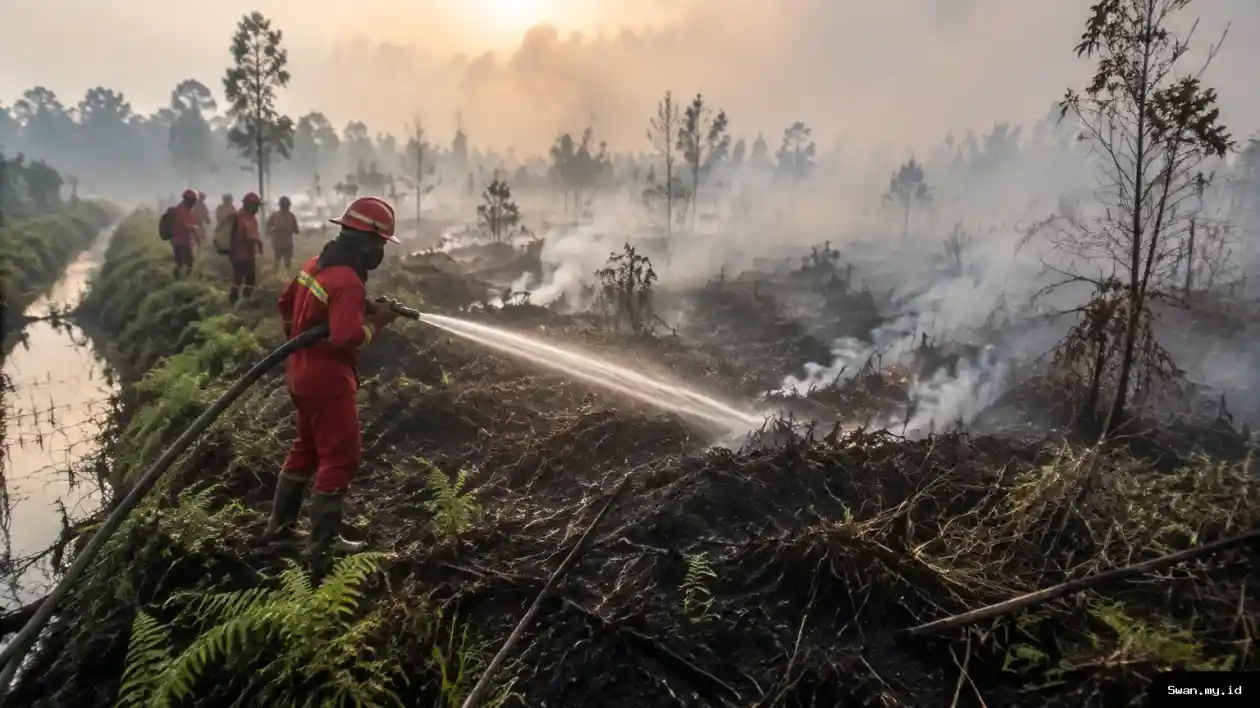
Swan.my.id - Singapore will send haze pollution letters to seven companies operating in Indonesia after investigations indicated possible links to fires that contributed to cross-border haze. The move follows impacts on air quality in Singapore and forms part of the government’s response under its Transboundary Haze Pollution Act.
On Friday, October 16, Singapore Minister for Sustainability and the Environment Grace Fu said the National Environment Agency (NEA) would issue the notices. The companies have not been described as having been found legally responsible. Instead, the letters set out steps they should take in response to the fire-related concerns.
Which companies will receive Singapore haze pollution letters?
The NEA notices will go to seven companies that operate in Indonesia. The list, reported by Channel NewsAsia, names:
- PT Bumi Andalas Permai
- PT Bumi Mekar Hijau
- PT Paramitra Mulia Langgeng
- PT Sumatera Alam Anugerah
- PT SBA Wood Industries
- PT Hutan Lestari Raya
- PT Bangkanesia
The companies are being asked to deploy firefighting personnel to put out fires or stop them from spreading on land they own or control. They must also halt any burning activity there, and not begin new burning. These requests address both active fires and the risk of further ignition.
In addition, each company must submit an action plan to the NEA. The plan should describe its measures for extinguishing fires and preventing similar incidents from happening again. The agency’s requests therefore cover immediate response as well as prevention, rather than focusing only on the fires already identified.
NEA may consider further enforcement
Fu said the government could issue similar letters to other companies if it finds indications that they were involved in fires linked to cross-border haze. The NEA may also consider additional enforcement under the law. For now, officials will monitor the situation and how the companies respond to the notices.
“We will continue to monitor the situation and the companies’ responses to the letters, if necessary,” Fu said. Her comments leave open the possibility of further steps, while making clear that the agency will assess developments rather than treating the letters as the end of the process.
Singapore has dealt with earlier cases involving suspected breaches related to transboundary haze. Fu said that experience has helped the government understand practical difficulties in investigating such cases. Officials will draw on those lessons as they address the current fires and consider what enforcement may follow.
Fines and legal proceedings remain among the options under consideration, Fu said. The government will assess how effective each measure is as the process develops. She also acknowledged that cases involving haze can be difficult to handle, without suggesting that enforcement would necessarily prevent every fire.
Singapore says it will keep protecting residents
Fu said Singapore still needs to pursue steps within its control to protect residents from the effects of haze. She acknowledged that those efforts may not always be highly effective, but argued that the government should continue working toward the best possible outcome for the country.
She also urged the companies to take appropriate action to protect their businesses and reputations. The appeal adds a business consideration to the immediate requests: a company’s response to fires and prevention measures can matter beyond its dealings with regulators.
Alongside enforcement, Singapore has again expressed readiness to help Indonesia address forest and land fires that cause cross-border haze. That offer sits alongside the NEA notices, which direct companies to act on land they own or control. The two approaches reflect different parts of Singapore’s response: assistance to Indonesia and requests for action from companies under its law.
The letters will now put the companies’ response under scrutiny. Their action plans and fire-control efforts will help determine what the NEA considers next. Singapore has not ruled out contacting additional firms, imposing fines or pursuing legal action, but Fu said the effectiveness of possible measures will become clearer over time.
